
-
The Science of Early Childhood Development
Over the past couple of decades, scientists have been learning a lot about early child development and what our children need to thrive. This new knowledge is guiding our work in the field, ensuring that the hours children spend in and out of the home are filled with the kinds of experiences and relationships that lead to positive outcomes. Specifically, we know more than ever before about how brain development affects children’s futures-- and the future of our community.
-
Building the Brain for Healthy Development
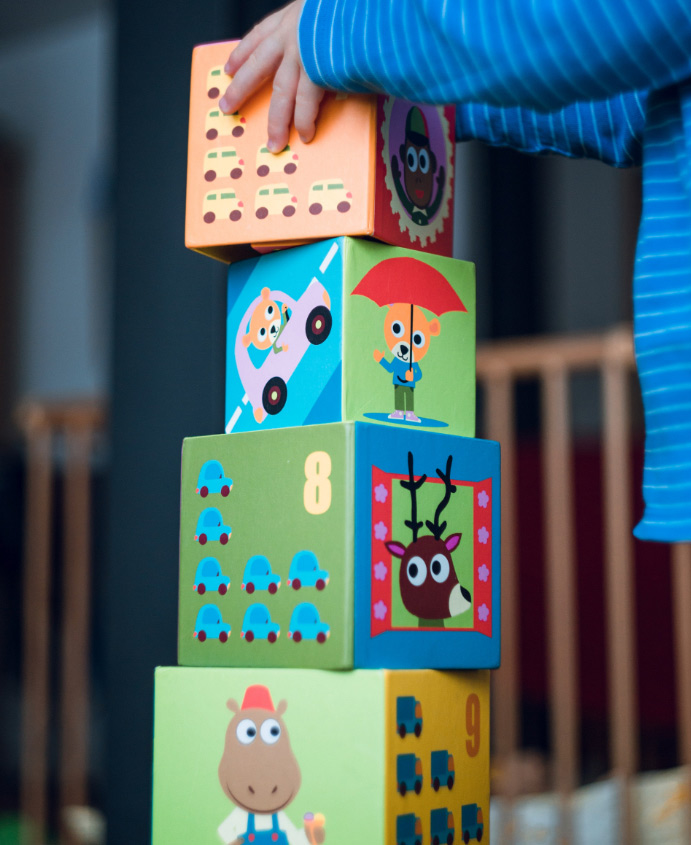
The basic architecture of the human brain is constructed through an ongoing process that begins before birth and continues into adulthood. Like the construction of a home, the building process begins with laying the foundation, framing the rooms and wiring the electrical system in a predictable sequence. Early experiences literally shape how the brain gets built. When children get a good start in life, the brain develops well, increasing the chances of good outcomes.
-
How the Brain Gets Built
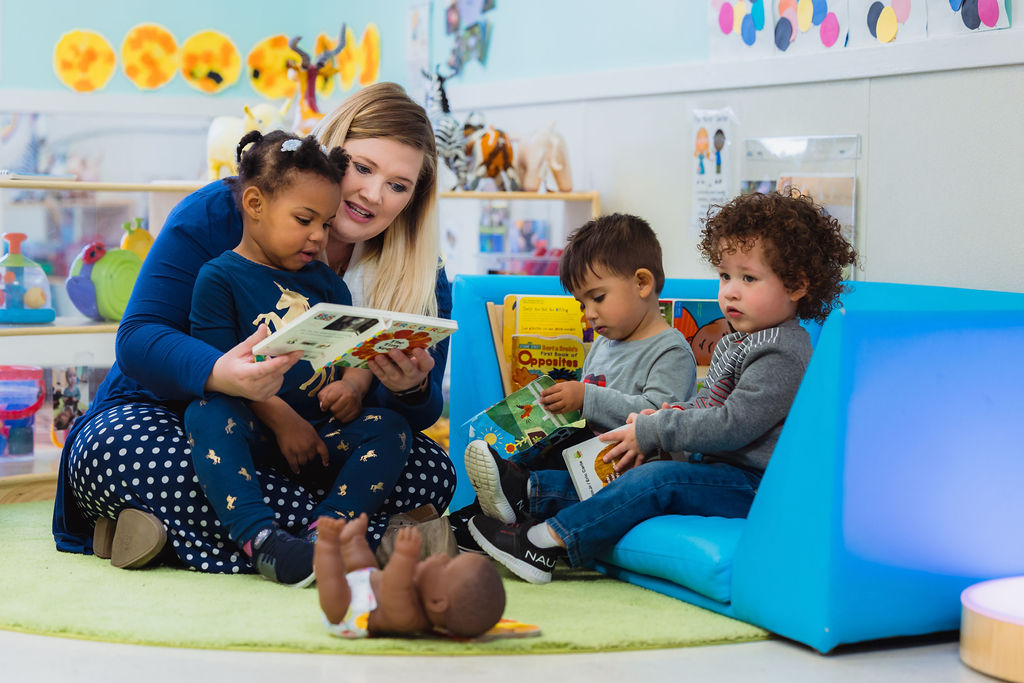
A mix of genes and experience shape the developing brain, but what really sets development in motion is the "serve and return" of relationships between children and their parents and caregivers. Like the process of serve and return in games such as tennis and volleyball, young children naturally reach out for interaction through babbling and facial expressions. For the brain to develop well, adults must respond to children’s attempts to communicate by doing the same kind of vocalizing and gesturing back at them. If parents and caregivers do not respond, children’s development and later learning are jeopardized.
-
What Gets in the Way of Brain Building
Chronic stressful conditions such as extreme poverty, ongoing abuse and neglect, or severe maternal depression — what scientists now call "toxic stress" — can disrupt the architecture of the developing brain. This can lead to lifelong difficulties in learning, memory, and self-regulation. We know that children who are exposed to serious early stress develop an exaggerated stress response that, over time, weakens their defense system against diseases, from heart disease to diabetes and depression.
-
Beyond the Three R's
The brain is a sophisticated organ—its cognitive, social and emotional capacities braided together in an intricate way throughout a person’s lifetime. Therefore, we must pay attention to all of these capacities at once. In other words, a child will not reach his full cognitive potential if his social and emotional capacities are challenged. For example, children who cannot focus, regulate their emotions, or engage in social interaction, will have a harder time in school and beyond than those who can.
-
Getting Ahead of the Curve
Trying to change behavior or build new skills on a foundation of brain circuits that were not wired properly when they were first formed requires more work and is less effective. Remedial education, clinical treatment and other professional interventions are more costly and produce less desirable outcomes than the provision of nurturing, protective relationships and appropriate learning experiences earlier in life. That’s why it’s important to get ahead of the curve and get it right from the start.